 Situation Summary: Israel, Gaza, and the Wider Region

The Middle East remains in a state of fragile but violent conflict, with Israel engaged in ongoing hostilities involving Palestinian armed groups, regional proxies, and diplomatic pressure from global powers. Recent developments show continued violence, minimal progress on ceasefires, and a humanitarian crisis especially in Gaza.
What isn’t confirmed in reputable international reporting as of this moment is a sudden, massive, coordinated “attack happening right now” across Israel that would resemble an invasion or full-scale air assault occurring in the last 15 minutes — at least according to internationally reputable sources. Reporting cited below represents latest known events and trends, not unverified social media claims.
 Ongoing Hostilities in Gaza and Israel
 Limited Opening at Rafah: Humanitarian Moment Amid Conflict
In the past day, Israel partially reopened the Rafah crossing between Egypt and Gaza, allowing a small number of seriously ill and wounded Palestinians to leave Gaza for medical treatment. This is the first movement of this kind in over 20 months, and it reflects extreme humanitarian pressure on all parties.
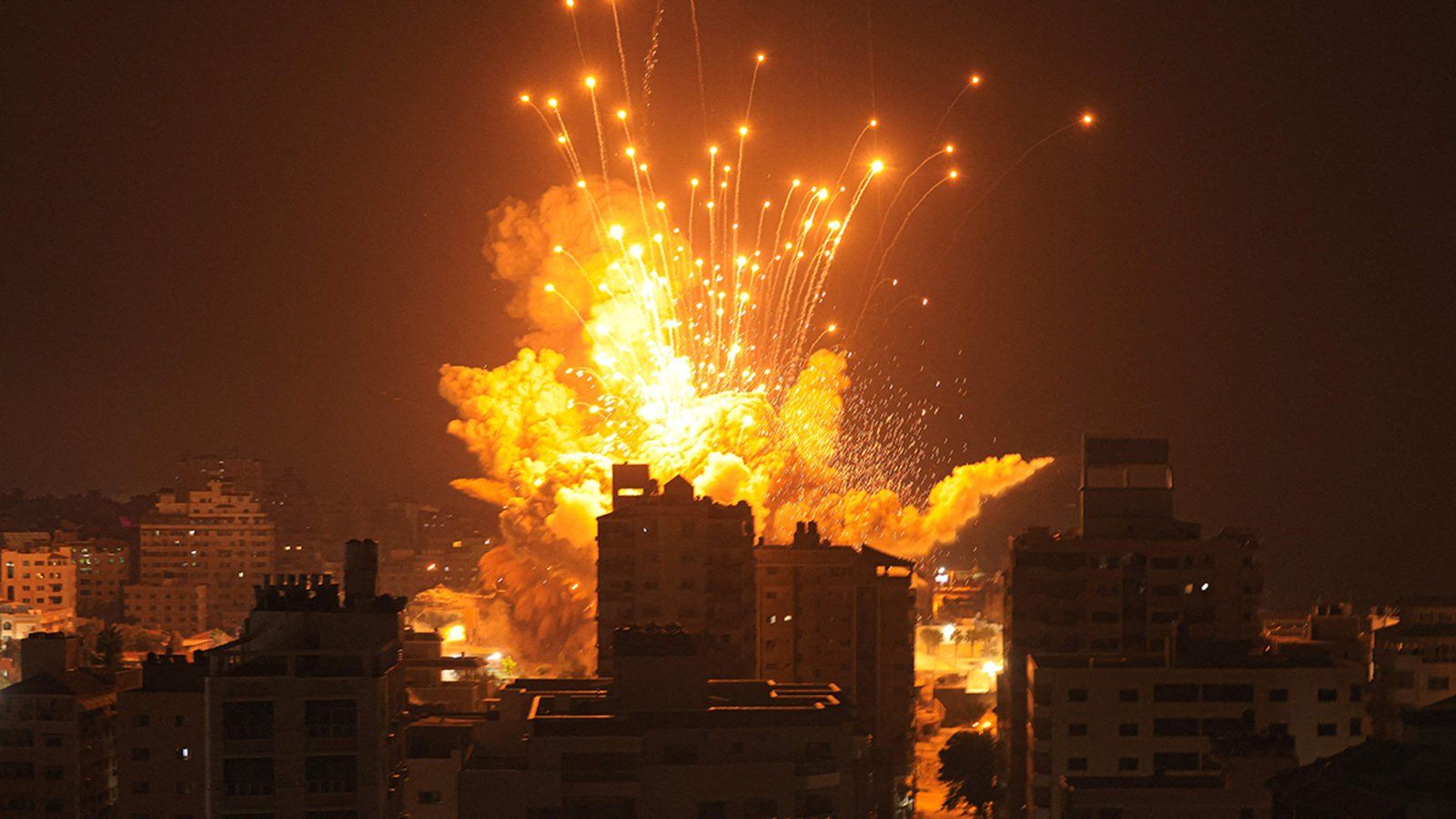
Despite this limited opening, violence has not ended — Israeli airstrikes and military operations continue sporadically, and casualties in Gaza remain significant even as ceasefire mechanisms are discussed.
 Gaza Crisis Continues
The Gaza health ministry and international observers report that:
-
Thousands of Gazans remain in dire need of medical care.
-
Hundreds of Palestinians have been killed since temporary ceasefire efforts resumed, even amid opening the Rafah crossing.
This reflects a long-running pattern of intermittent fighting, civilian suffering, and tense ceasefire negotiations rather than a single giant attack happening within minutes.
 Regional Tensions Beyond Gaza
The conflict between Israel and Palestinian groups like Hamas is one dimension. Another is broader regional tension with Iran and its aligned forces, which has periodically flared into cross-border strikes, proxy attacks, and missile exchanges in the past year.
Even though there’s no credible report of a massive Iranian or multi-front attack right now, there are sustained pressures including:
-
Historical missile and drone attacks into Israeli territory from Iran-aligned groups.
-
Regional warnings and strategic posturing from Iran and allied states.
These create geopolitical turbulence without necessarily meaning a definitive ALL-OUT offensive at this moment.
 Why Headlines About “Israel Under Immediate Attack” Circulate
There are many reasons you might see urgent, dramatic headlines like “Israel under attack — just happened” or “sirens across central Israel.” These include:
 Social media amplification
Viral posts often exaggerate routine military alerts or old incidents to attract attention.
Confusion with past missile/drone alarms
In previous years, Israel has activated air-raid sirens after incoming missiles — like when air defenses intercepted a ballistic missile from Yemen-based Houthis — but these were isolated incidents, not full assaults.
Time-lag in credible reporting
Breaking news can circulate on platforms before agencies like Reuters, AP, Al Jazeera, or BBC verify details — which can lead to misreported “live events.”
To date, major international news agencies have not confirmed a massive attack on Israel in the last 15 minutes. If such an event were verifiably happening right now, global outlets would reflect that with live updates.
 What the Conflict Looks Like: Current Reality
Here is how the broader conflict dynamic stands (based on verified news):
 Gaza Strip and Borders
-
Ceasefire negotiations continue to be fragile.
-
Violence and airstrikes still occur.
-
Civilian suffering and medical emergencies remain severe.
Israel Internal Security
-
No confirmed sweeping, simultaneous attacks across cities as of early Feb 3, 2026.
-
Alerts and sirens may occur periodically due to regional threats — for example from drones or missiles — but that’s different from a full-scale, coordinated offensive.
Wider Regional Pressures
-
Iran, Yemen’s Houthi movement, Hezbollah, and other proxy forces have threatened or sporadically launched attacks in the past — but not in the dramatic headline sense right now.
International Diplomacy
-
World powers remain involved in negotiations, humanitarian efforts, and efforts to prevent broader escalation.
 What This Means for Civilians and the World
To understand the human and geopolitical impact of an extended conflict like this:
 On Civilians
-
Lives disrupted on both sides of the border
-
Displacement and trauma
-
Hospitals overrun or damaged
-
Families separated
This is why crossings like Rafah opening even slightly are major news — they reflect deep humanitarian crises, not just military strategy.
 On Regional Stability
The conflict in Gaza and broader Middle Eastern tensions are among the most destabilizing in the world today. Many countries are involved diplomatically, while some are indirectly involved militarily (e.g., U.S. support for Israel, Iran’s strategic communication, and U.N. humanitarian responses).
 Final Takeaway (Clear Reality Check)
At the moment you referenced — there is no confirmation from major global news agencies that Israel is experiencing a massive fresh invasion or full-scale attack ‘15 minutes ago’. What is happening is:
Continued conflict dynamics between Israel and Palestinian groups Humanitarian crises and limited border openings Regional tensions that periodically generate missile or drone alerts
News websites and live blogs are reporting these ongoing issues, but not a verified sudden war event.