A previously unreleased audio recording made by Donald Trump during his presidency has resurfaced, and those who have listened to it say it reveals one of the most personal moments ever captured of the former president.
The recording, verified by individuals close to the Trump family, dates back to a period inside the White House when the administration was confronting a major national crisis. According to sources familiar with the archive, the tape was not created for broadcast, campaign use, or memoir material. It was part of a private series of reflections Trump reportedly recorded for his own historical record — a project he never publicly announced and never formally completed.
The audio begins not with policy discussion, but with silence. Then Trump’s voice — noticeably quieter and slower than in public speeches — begins describing the weight of the decision in front of him. While the exact policy matter is not identified in the recording, contextual references suggest it was recorded during one of the most high-pressure moments of his presidency, when advisors were divided and the country was watching closely.
Rather than rehearsing talking points, Trump speaks candidly about uncertainty. He acknowledges the magnitude of presidential responsibility and the reality that every major decision carries consequences that extend far beyond one administration. “History doesn’t see the meetings,” he says at one point. “It only sees the outcome.”

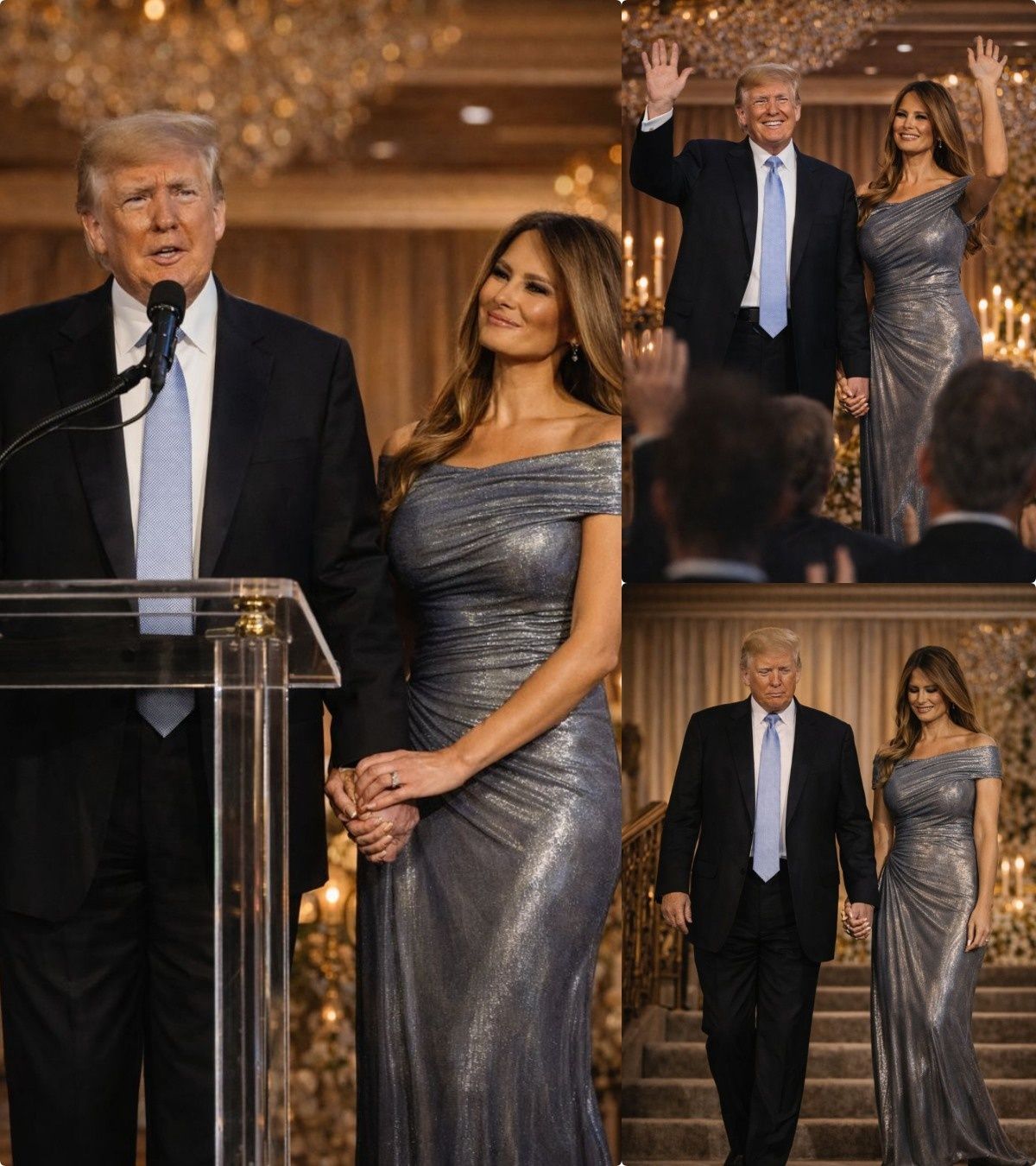
Midway through the recording, the tone shifts. Trump recounts a private exchange with Melania that occurred shortly before he finalized the decision. He describes stepping away from advisors and entering the residence portion of the White House. According to his account, he told her he understood that whatever choice he made would be judged for decades.
He recalls her response as brief but steady: that leadership requires conviction, and that fear cannot be the deciding factor. The recording captures him reflecting on that moment, not as a political calculation, but as a personal anchor. “You don’t get this job to be comfortable,” he says. “You get it to decide.”
Those who have heard the full tape emphasize that there is no theatrical intensity. There are no raised voices, no dramatic pauses designed for applause. Instead, the recording feels almost like a private journal entry spoken aloud. At one point, Trump admits that the public rarely sees the burden of carrying irreversible choices. “You sign your name,” he says, “and the world moves.”
Advisors who later reviewed the archive believe Trump intended to create a confidential historical collection — recorded reflections on leadership, risk, and the human dimension of executive power. The project appears to have been abandoned as political demands intensified. The tape resurfaced only recently during an internal cataloging effort of personal materials maintained by the family.
The authenticity of the recording has been confirmed by individuals familiar with Trump’s voice patterns and the timeline of events described. While the family has not released the full audio publicly, selected excerpts have been shared privately with historians and close allies.
Supporters describe the recording as the most vulnerable moment of Trump’s presidency ever documented. Critics caution that without full context, interpretations may vary. However, even skeptics acknowledge the tone differs sharply from his public persona.
Political analysts note that modern presidents often maintain written diaries or archival notes, but audio self-reflection is far less common. The recording provides insight not into strategy, but into mindset — how a leader processes consequence in real time.
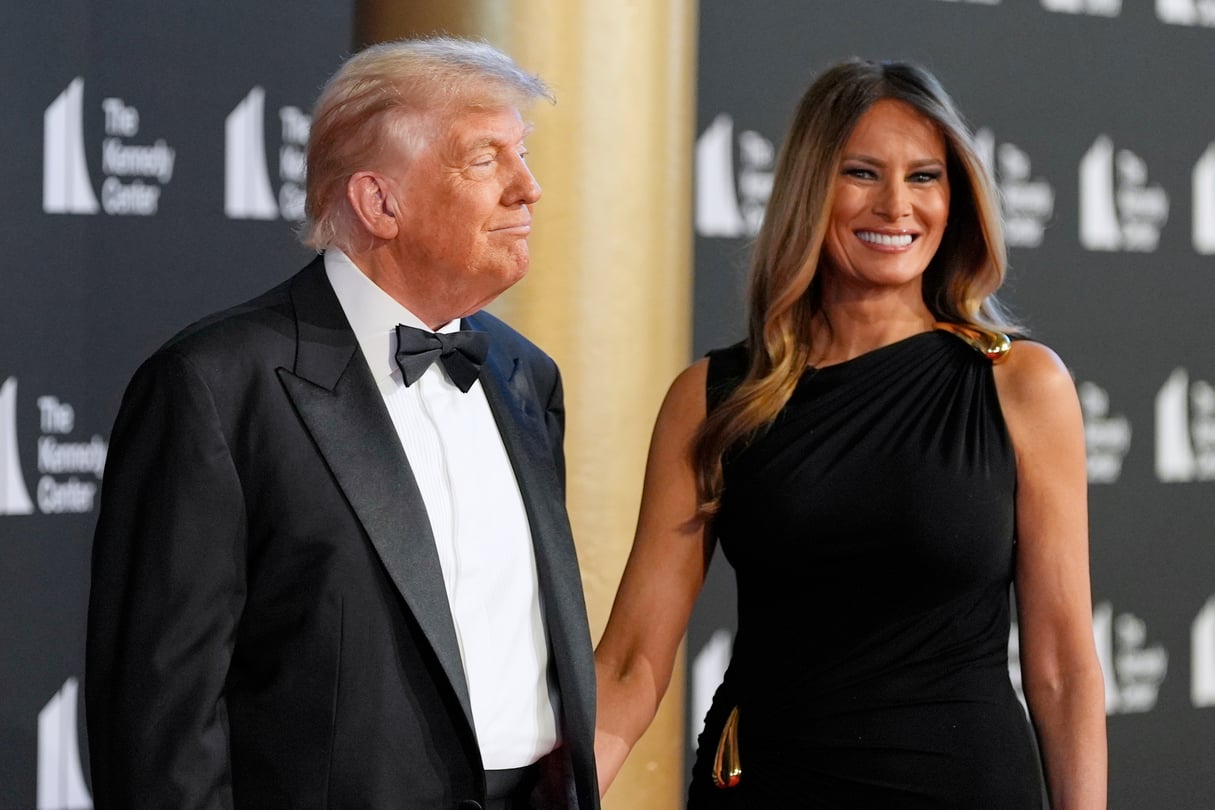
Melania Trump has not given an extended statement about the tape but confirmed through a spokesperson that the conversation referenced was real. According to that statement, she believed at the time that her role was not to influence policy, but to reinforce steadiness during high-pressure moments.
The resurfacing of the recording has prompted renewed discussion about the unseen dimensions of executive office. Historians argue that presidencies are typically evaluated through public speeches, legislation, and electoral outcomes. Rarely does the public hear the internal deliberation stripped of rhetoric.
The recording does not seek to defend or justify any specific action. It does not name political opponents. It does not criticize advisors. Instead, it documents a leader confronting the finality of decision-making.
In one of the closing lines, Trump reflects on legacy. “When the lights go out and the cameras leave,” he says, “you’re still responsible for what you chose.” The statement is delivered without emphasis, almost matter-of-factly.
For many who have heard the tape, that closing thought is what lingers. It reframes leadership not as performance, but as accountability.
The family has not indicated whether the full recording will ever be released publicly. For now, it remains part of a private archive — a historical artifact that captures a single moment of candor inside one of the most scrutinized presidencies in modern history.
Whether viewed as humanizing or strategic, the recording provides a rare glimpse into the emotional dimension of presidential power. It does not change past decisions. It does not rewrite outcomes. But it offers context — the sound of a leader weighing permanence in real time.
In an era dominated by rapid headlines and polarized debate, the rediscovered tape stands out for its stillness. It is not a rally. Not a press conference. Not a campaign ad.
It is simply a voice, recorded years ago, confronting the gravity of choice — and acknowledging that behind every signature lies a private reckoning history rarely hears.